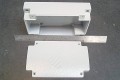
Plymouth, MI – Metaldyne Corp., took several actions in 2008 to reduce structural costs, balance capacity with declining vehicle production and create a more agile and streamlined organization focused on its core product lines. These actions will help the company …
Continue reading
Tag Archives: aluminum parts
What Is an Aluminum Key Blocker and How It Is Used to Secure Door Keyholes
Security and access control are essential considerations in residential, commercial, and industrial environments. While many people focus on locks, alarms, or electronic systems, small mechanical components often play a critical role in maintaining safety. One such component is the aluminum key blocker—a simple but effective device designed to block keyholes in doors and prevent unauthorized access or use. Though small in size, aluminum key blockers provide an important layer of physical security and control.
Understanding the Purpose of a Key Blocker
An aluminum key blocker is a solid or semi-solid insert that fits directly into a door’s keyhole or lock cylinder opening. Its primary purpose is to disable the keyway, preventing any key from being inserted or used. Key blockers are commonly used when a door lock must remain permanently or temporarily inactive, such as during renovations, tenant turnover, security upgrades, or when access control policies change.
Unlike traditional locks, a key blocker does not provide locking functionality itself. Instead, it prevents the lock from being operated at all, ensuring that unauthorized users cannot engage the mechanism.
Why Aluminum Is Used for Key Blockers
Aluminum is a popular material choice for key blockers due to its combination of strength, corrosion resistance, and lightweight properties. Aluminum blockers are strong enough to resist forced removal or tampering while remaining easy to install and handle. Unlike plastic alternatives, aluminum will not crack, deform, or wear down easily under pressure.
Another advantage of aluminum is its resistance to corrosion. Door hardware is often exposed to moisture, temperature changes, and environmental contaminants. Aluminum naturally forms a protective oxide layer, helping key blockers maintain their integrity and appearance over time, even in outdoor or high-humidity environments.
How Aluminum Key Blockers Work
An aluminum key blocker is typically designed to match the shape and dimensions of a specific lock or keyway. Once inserted into the keyhole, it fills the opening completely, preventing any key from entering. Some designs are press-fit, while others may be secured with adhesive or fasteners depending on the application and security requirements.
Because the keyway is fully blocked, lock picking, key duplication, and forced key insertion become impossible. This makes key blockers especially useful in situations where access must be strictly controlled or eliminated.
Common Applications for Aluminum Key Blockers
Aluminum key blockers are used in a wide range of settings:
Commercial buildings: To disable unused doors or restrict access to certain areas.
Apartment complexes: During tenant turnover to prevent former tenants from using old keys.
Industrial facilities: To control access to machinery rooms or restricted zones.
Hospitals and schools: To ensure certain doors remain inaccessible for safety reasons.
Temporary security situations: Such as renovations, repairs, or emergency closures.
Key blockers are also used in conjunction with electronic access systems, allowing mechanical key access to be permanently eliminated while digital credentials control entry.
Advantages Over Other Security Solutions
One of the biggest benefits of aluminum key blockers is their simplicity. They do not require power, electronics, or ongoing maintenance. Once installed, they perform their function continuously without adjustment.
Key blockers are also cost-effective. Compared to replacing locks or installing complex access systems, inserting a blocker is a fast and affordable way to disable key-based access. This makes them an attractive solution for property managers and facility operators seeking immediate results.
Additionally, aluminum key blockers are discreet. When properly installed, they blend into the door hardware and do not draw attention, which helps maintain a professional appearance.
Manufacturing and Design Considerations
Aluminum key blockers are often produced through precision manufacturing methods such as machining or die casting. These processes ensure consistent dimensions, smooth finishes, and proper fit for specific lock types. Design features may include chamfered edges for easy installation or textured surfaces to improve grip during placement.
A Simple but Effective Security Tool
While often overlooked, aluminum key blockers serve an important role in modern access control strategies. By physically blocking the keyhole, they eliminate unauthorized mechanical entry and enhance overall security. Durable, corrosion-resistant, and easy to install, aluminum key blockers offer a practical solution for anyone needing to disable door locks safely and efficiently.
In an increasingly security-conscious world, sometimes the simplest components deliver the most reliable protection.
Aluminum Die Casting Parts
|
Kinetic Die Casting Company, Inc. 6918 Beck Avenue, North Hollywood, California USA 91605 E-mail sales@kineticdiecasting.com (818) 982-9200 California Die Castings – Die Casting Photos – Technical FAQ – Die Casting Prices – Kinetic Die Casting Company What is Die Casting ? – Why Use Die Casting – Kinetic Abilities – Die Casting Offshore ? – Sand casting prices and die castings – Die Casting Tooling – Kinetic Newsletter |
If you no longer wish to receive these emails, you may unsubscribe here.
Posted in Aluminum Die Casting, Blogger, Die Casting Parts, newsletter
Tagged #diecasting, #kineticdc, aluminum parts, Manufacturing
Leave a comment
Die Casting A380 Aluminum Concrete Trowel Handles: Strength Built for the Jobsite
In the construction industry, tools are only as reliable as the materials and manufacturing processes behind them. Concrete finishing tools, in particular, must endure harsh environments, repetitive motion, and constant impact while still delivering precision and comfort to the user. One essential component of these tools is the handle—especially for concrete trowels, where durability, balance, and ergonomics matter every day. This is where die casting A380 aluminum concrete trowel handles provides a proven and dependable solution.
A380 Aluminum for Trowel Handles

Die Casting Part Prices
A380 aluminum alloy is one of the most commonly used materials in aluminum die casting, and for good reason. It offers an excellent combination of strength, wear resistance, thermal stability, and corrosion resistance—qualities that are critical for construction tools exposed to concrete, moisture, and abrasive conditions.
Concrete trowel handles made from A380 aluminum are strong enough to withstand repeated stress without bending or cracking, yet lightweight enough to reduce operator fatigue during long finishing sessions. Compared to steel, A380 aluminum significantly lowers the overall tool weight while still delivering the rigidity required for precise control.
Another major advantage of A380 aluminum is its castability. The alloy flows well into molds, allowing manufacturers to create complex handle shapes with integrated features such as mounting points, ribs, and ergonomic contours—all without secondary machining.
The Southern California USA Die Casting Advantage
Die casting is the preferred manufacturing process for producing high-quality concrete trowel handles at scale. In this process, molten A380 aluminum is injected under high pressure into hardened steel molds. These molds are designed to create net-shape parts, meaning the handle comes out of the mold very close to its final form.
This approach offers several advantages over fabrication or machining:
Consistency: Every handle produced from the same die meets identical dimensional and structural standards.
Efficiency: High-volume production is fast and repeatable, keeping costs low.
Durability: Solid, one-piece castings eliminate welds or joints that could fail over time.
Design Flexibility: Strengthening ribs, finger grips, and attachment points can be built directly into the handle design.
For concrete trowel handles made in the USA, this results in a rugged, professional-grade component that performs reliably in demanding jobsite conditions.
Built for Performance and Ergonomics
Beyond strength, die cast A380 aluminum allows manufacturers to design handles with ergonomics in mind. Comfort and control are critical for concrete finishers who rely on steady hand positioning and balance. Die casting makes it possible to create smooth contours, textured grip areas, and balanced weight distribution that improves handling and reduces strain.
Additionally, aluminum handles resist rust and corrosion far better than traditional steel handles. This ensures a longer service life, even when tools are regularly exposed to wet concrete, cleaning chemicals, and outdoor storage conditions.
Cost-Effective for Tool Manufacturers
From a manufacturing perspective, die casting A380 aluminum concrete trowel handles offers significant cost advantages. Once the tooling is in place, per-unit production costs are low, especially for medium to high production volumes. Integrated features reduce or eliminate the need for drilling, welding, or assembly, saving both time and labor.
The result is a premium-quality handle that can be produced competitively—benefiting both tool manufacturers and end users.
A Reliable Solution for the Construction Industry
Concrete professionals demand tools that work as hard as they do. Die cast A380 aluminum trowel handles deliver the strength, durability, and precision required for daily use on the jobsite. Whether used in hand trowels, power trowels, or specialty finishing tools, these handles provide long-lasting performance that contractors can trust.
As construction standards continue to evolve, manufacturers who invest in high-quality materials and proven processes like aluminum die casting position themselves ahead of the curve. A380 aluminum concrete trowel handles are a clear example of how modern manufacturing enhances traditional tools—combining strength, efficiency, and smart design into a single, dependable component.
|
Kinetic Die Casting Company, Inc. 6918 Beck Avenue, North Hollywood, California USA 91605 E-mail sales@kineticdiecasting.com (818) 982-9200 California Die Castings – Die Casting Photos – Technical FAQ – Die Casting Prices – Kinetic Die Casting Company What is Die Casting ? – Why Use Die Casting – Kinetic Abilities – Die Casting Offshore ? – Sand casting prices and die castings – Die Casting Tooling – Kinetic Newsletter |
If you no longer wish to receive these emails, you may unsubscribe here.
Posted in Aluminum Die Casting, Blogger, Handle, newsletter
Tagged #a380Aluminum, #diecasting, #kineticdc, #trowels, aluminum parts
Leave a comment
Die Casting Molds: The Basics
Die casting is a widely used manufacturing process that involves the creation of metal parts by forcing molten metal into a mold cavity under high pressure. One of the key components in the die casting process is the die casting mold, which plays a crucial role in the production of high-quality and precise metal parts. In this article, we will delve into the basics of die casting molds, their construction, types, and key considerations.
Die casting molds, also known as dies or tooling, are custom-designed tooling elements that define the shape and features of the final product. These molds are typically made from high-strength tool steels or other durable materials to withstand the high pressures and temperatures involved in the die casting process. The quality and precision of the mold directly impact the final part’s quality, consistency, and dimensional accuracy.
The construction of a die casting mold involves multiple stages, starting with the design phase. During this phase, engineers and tooling experts work closely to develop a detailed mold design that incorporates the part geometry, cooling channels, ejector pins, and other essential features. Once the design is finalized, precision machining techniques such as milling, turning, and grinding are used to create the mold components with tight tolerances to ensure accurate part reproduction.
Die casting molds come in various types based on the complexity of the part geometry and production volume. The two primary types of die casting molds are:
1. Single Cavity Mold: A single cavity mold produces one part per casting cycle, making it suitable for low-volume production runs or prototype development. Single cavity molds are relatively simpler in design and construction, making them cost-effective for smaller production requirements.
2. Multiple Cavity Mold: Multiple cavity molds contain multiple cavities within a single mold, allowing for the simultaneous production of multiple parts in each casting cycle. This type of mold is ideal for high-volume production runs, as it maximizes productivity and efficiency by producing several parts at once.
Key considerations in die casting mold design and construction include:
1. Part Geometry: The complexity of the part geometry influences the mold design complexity, number of cavities, and the selection of mold materials and surface treatments to ensure precise part replication.
2. Cooling System: Effective cooling channels are crucial in maintaining uniform part solidification and minimizing cycle times. Proper cooling design helps prevent defects such as shrinkage and porosity in the cast parts.
3. Ejection Mechanism: Efficient ejection mechanisms, including ejector pins, sleeves, and air blasts, are essential for removing the solidified part from the mold cavity without damaging the part or mold surfaces.
4. Surface Finish: The choice of surface treatments such as polishing, coating, or texturing can enhance the part’s aesthetics, durability, and functionality while preventing issues like sticking or flashing during the casting process.
In conclusion, die casting molds are integral components in the die casting process, determining the quality, precision, and productivity of metal part production. By understanding the basics of die casting molds, including their construction, types, and key considerations, manufacturers can optimize their die casting operations to achieve superior part quality and repeatability.
p>Kinetic Die Casting Company. Inc.
6918 Beck Avenue, North Hollywood,
California 91605, United States of America
E-mail sales@kineticdc.com
USA Toll Free: (800) 524-8083 Local: (818) 982-9200
To get prices for Die Casting Tooling Molds or Parts:
RFQ Die Casting Tooling Part Prices
Kinetic Die Casting Company makes:

Aluminum Castings Company Kinetic Die Casting
What is Aluminum Casting? Kinetic Die Casting Company is a well known Aluminum Castings Company using the process know as high pressure die casting to make aluminum castings.
Aluminum casting involves pouring molten aluminum into a mold to create a desired shape. This process can take many forms, including sand casting, die casting, and investment casting. Each method offers unique advantages in terms of cost, precision, volume, and complexity of design.
Aluminum Sand Castings are ideal for lower-volume production and larger parts.
Die Casting Aluminum is perfect for high-volume, precision parts with excellent surface finish. Die Casting Aluminum parts need Die Casting Tooling
Investment Casting provides high dimensional accuracy for complex geometries.
The Role of American Aluminum Die Casting Suppliers Companies
A specialized aluminum castings company is responsible for transforming raw aluminum into finely crafted components that meet exact specifications. These companies handle everything from mold design and alloy selection to heat treatment and surface finishing.
At the core of these operations is a commitment to quality. Precision and repeatability are essential, as even slight variances in composition or shape can lead to failure in the field. Reputable aluminum castings firms invest heavily in quality control systems, including 3D scanning, X-ray inspection, and computer-aided simulation of the casting process.
Serving Key Industries
Aluminum castings companies serve a diverse range of sectors:
Automotive: Engine blocks, transmission housings, and suspension components.
Lighting: Aluminum Lighting Castings
Aerospace: Lightweight structural components and intricate engine parts.
Electronics: Heat sinks are typically cast in a413 and housings for high-performance computing devices.
Construction: Architectural fittings and structural supports.
Medical and Defense: Precision instruments and rugged, corrosion-resistant parts.
The lightweight nature of aluminum, combined with its strength and resistance to corrosion, makes it the metal of choice for industries where performance and reliability are non-negotiable. The most common aluminum die casting alloy is a380
Embracing Innovation
Modern aluminum castings companies are not just foundries—they are hubs of innovation. With the rise of Industry 4.0, many firms now incorporate robotics, AI-driven quality control, and advanced simulation software to streamline production and reduce waste. Sustainability is also a key focus, with many companies using recycled aluminum and closed-loop manufacturing systems to reduce their environmental footprint.
The Future of Aluminum Casting
As industries demand lighter, stronger, and more complex parts, the aluminum casting sector continues to evolve. Emerging trends such as additive manufacturing (3D printing) of molds and the integration of smart manufacturing technologies are redefining what’s possible. Contact for an Aluminum Foundry in the USA
In a world where precision, speed, and performance are paramount, aluminum castings companies stand at the forefront—pouring the future, one component at a time using die casting molds.
To get Aluminum Die Casting Part Prices:
https://www.kineticdiecasting.com/replyform.html
https://www.kineticdiecasting.com/kdc/aluminum-castings-company-kinetic-die-casting/
Kinetic Die Casting Company
sales@kineticdc.com
818-982-9200
Posted in Aluminum Die Casting, Blogger
Tagged #AluminumCastings, aluminum, aluminum parts, Manufacturing
Leave a comment
Zinc Die Casting Knobs: The Optimal Choice for Performance and Durability
Zinc Die Casting Knobs: The Optimal Choice for Performance and Durability
In the world of industrial manufacturing, choosing the right materials for various components is a crucial decision. When it comes to knobs, particularly those used in electronic devices, zinc die casting has emerged as the go-to solution. Offering an impressive combination of strength, precision, and durability, zinc die casting knobs have become an integral part of countless applications across different industries.
One of the primary advantages of using zinc die casting for knobs is the exceptional strength-to-weight ratio it provides. Zinc alloys can withstand high levels of stress and strain, making them ideal for heavy-duty applications. This inherent strength ensures that the knobs remain intact even under demanding conditions, such as continuous usage or exposure to external elements.
Furthermore, zinc die casting also offers unparalleled precision in terms of shape and design. Through the die casting process, intricate and complex shapes can be achieved with utmost accuracy, resulting in knobs that perfectly match their intended purpose. This level of precision allows for smooth and reliable interactions, enhancing the overall user experience.
Durability is another significant factor that sets zinc die casting knobs apart. With their high resistance to corrosion and abrasion, these knobs can withstand the test of time and numerous cycles of use. This durability is particularly important when considering applications exposed to harsh environments, such as outdoor equipment or industrial machinery.
Additionally, zinc die casting knobs boast excellent thermal conductivity properties. This characteristic ensures better heat dissipation, preventing excessive temperature build-up that could potentially damage the delicate electronic components within a device. The ability to effectively manage heat is crucial for applications where temperature control plays a significant role in performance and longevity.
Zinc die casting knobs are not only reliable and durable; they are also highly customizable to meet specific design requirements. With various finishing options available, such as plating, painting, or coating, the appearance and aesthetics of the knobs can be tailored to align with the overall product design.
In conclusion, when it comes to choosing knobs for electronic devices, zinc die casting emerges as the optimal choice. Its superior strength, precision, durability, thermal conductivity, and customization options make it a versatile and reliable option for a multitude of applications across industries. By opting for zinc die casting knobs, manufacturers can ensure the performance, longevity, and user satisfaction of their products.
“The Parts We Make Today, We Ship Today”
Kinetic Die Casting Company. Inc.
6918 Beck Avenue, North Hollywood,
California 91605, United States of America
E-mail sales@kineticdc.com
USA Toll Free: (800) 524-8083 Local: (818) 982-9200
To get prices for Die Casting Tooling Molds or Parts:
RFQ Die Casting Tooling Part Prices
Kinetic Die Casting Company makes: