There are several jobs available in the aluminum metal working industry. Some jobs are listed in job directory web pages, such as, Jobs at Kinetic Die Casting Company. Some aluminum metal working jobs are in other foundries that pour aluminum …
Continue reading
Die Castings Elevating Aerospace Engineering
In aerospace engineering, where innovation meets the infinite bounds of the sky, precision is paramount. From the engines that propel aircraft to the intricate components within avionics systems, every part plays a critical role in ensuring safety, efficiency, and performance. In this dynamic landscape, die casting emerges as a cornerstone technology, facilitating the production of high-quality, intricate parts that are essential to the success of aerospace endeavors. Let’s explore the significance of die casting in the realm of aerospace engineering and the pivotal role it plays in shaping the future of flight.
Meeting the Demands of Aerospace components of exceptional strength, durability, and precision, capable of withstanding the rigors of flight and extreme environmental conditions. Die casting, with its ability to produce complex shapes and intricate features with tight tolerances, rises to the challenge, offering unparalleled versatility and efficiency in manufacturing critical aerospace parts. In an industry where every ounce matters, die casting provides an ideal solution for producing lightweight yet robust components. Aluminum and magnesium alloys, commonly used in die casting, offer a winning combination of strength and weight savings, making them well-suited for aerospace applications. By leveraging die casting techniques, engineers can design and fabricate parts that enhance fuel efficiency, reduce emissions, and improve overall performance, contributing to the sustainability and competitiveness of the aerospace industry. The powerhouses of flight, aircraft engines rely on a myriad of intricate components to deliver thrust efficiently and reliably. From turbine blades and compressor housings to engine mounts and heat exchangers, die casting plays a vital role in manufacturing these critical parts. By harnessing the precision and repeatability of die casting processes, aerospace manufacturers can produce engine components that meet the exacting standards of performance, reliability, and safety demanded by the industry.
Aerospace die castings structures must withstand immense forces and stresses during flight, necessitating components of exceptional structural integrity. Die casting enables the production of parts with uniform grain structure and minimal porosity, resulting in enhanced mechanical properties and fatigue resistance. Whether it’s fuselage components, wing brackets, or landing gear assemblies, die-cast parts contribute to the overall strength and durability of aerospace structures, ensuring the safety and longevity of aircraft.
Avionics and Electronics, where precision and reliability are paramount, die casting offers a versatile solution for producing intricate housings, enclosures, and heat sinks. These components provide crucial protection and thermal management for sensitive electronic systems onboard aircraft, ensuring optimal performance and longevity in demanding aerospace environments. As aerospace technology continues to evolve, so too does the role of die casting in shaping the future of flight. Manufacturers and engineers collaborate to push the boundaries of innovation, leveraging advanced materials, design optimization techniques, and cutting-edge manufacturing processes to meet the evolving needs of the aerospace industry. From additive manufacturing and simulation-driven design to digital twin technology and integrated supply chain solutions, the aerospace die casting sector remains at the forefront of innovation, driving progress and shaping the next generation of aerospace systems and components.
“The Parts We Make Today, We Ship Today”
Kinetic Die Casting Company. Inc.
6918 Beck Avenue, North Hollywood,
California 91605, United States of America
E-mail sales@kineticdc.com
USA Toll Free: (800) 524-8083 Local: (818) 982-9200
Get prices for Die Casting Tooling Molds or Aerospace Parts:
Quote Die Casting Aerospace Part Prices
Kinetic Die Casting Company makes:
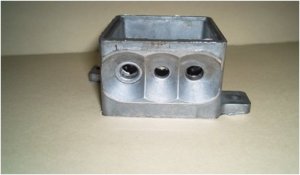
Aerospace Die Casting Parts
Light Fixture Die Casting Parts
100 Free Die Casting Parts in October 2024
Kinetic Die Casting Company is excited to bring you a fantastic opportunity at that you won’t want to miss! For a limited time, when you place a die casting part order for 1,000 or more “new” die casting parts, you’ll receive 100 additional die casting parts absolutely FREE!
Unlock Quality and Savings
At Kinetic Die Casting Company, we pride ourselves on delivering high-quality, precision-engineered components tailored to your needs. Our die casting process ensures you get intricate designs with excellent dimensional accuracy and minimal material waste.
Why Take Advantage of This Offer?
1. Cost-Effective Production: This offer not only boosts your quantity but also provides additional value at no extra cost.
2. High-Quality Assurance: Each die casting part undergoes rigorous quality control, ensuring you receive reliable components every time.
3. Flexibility: The extra free die cast parts can be used for prototyping, testing, or as backup inventory, giving you greater flexibility in your projects.
How It Works
1. Place Your Order: Simply send us a purchase order for 1,000 or more “new” die casting parts with Kinetic Die Casting Company.
2. Receive 100 Additional Free Parts: We’ll automatically add 100 additional parts to your production order at no extra charge.
3. Enjoy the Benefits: Use your extra parts to enhance your production capabilities and streamline your operations.
Why Choose Kinetic Die Casting?
• Expertise: With over 30 years of experience, our team is dedicated to helping you achieve the best results for your manufacturing production projects.
• Diverse Materials: We work with various alloys and metals, including A360 aluminum, A380 aluminum, A383 aluminum, A413 aluminum, K-Alloy 304.1 aluminum, #3 zinc, and ZA27 Alloy, to meet your specific requirements.
• Timely Delivery: We understand the importance of deadlines and ensure your order is delivered on time.
Don’t Miss Out!
This special offer is available for a limited time, so act fast! To get started, simply reply to this email or contact our sales team at sales@kineticdc.com . We’re here to assist you with any questions and help you maximize your opportunities.
Limitations to our Special Offer of 100 Free Die Casting Parts
• ”New Die Casting Parts”: This offer is for new parts that are new to Kinetic Die Casting Company. The new part could be from one of our many good die casting competitors. Just send us the die casting mold or die casting tooling to make your parts or you can order new tooling. We have great tooling prices.
• Pricing: We will honor any purchase order part price of the same part cost of our competitor. The price will be the same if you show proof of the price within the last three years for a similar part quantity.
• Timely Payment: We offer 30-day credit payment terms for die casting part purchases. We require payments for our shipments within 30 days of our shipment. If you fail to pay in 30 days, you lose the opportunity of the 100 free parts.
Thank you for being a valued partner in our journey. We look forward to working with you!
Best regards,
Kinetic Die Casting Company, Inc. – www.kineticdiecasting.com
6918 Beck Avenue, North Hollywood, California 91605
(800) 524-8083 – (818) 982-9200 – sales@kineticdc.com
https://www.kineticdiecasting.com/kdc/100-free-die-casting-parts-in-october-2024/
Posted in Blogger, Die Casting Parts, newsletter
Tagged #diecasting, #kineticdc, Die Castings, Manufacturing
Leave a comment
Die Casting Tools Hot Chamber Machines
Die casting is a widely-used manufacturing process that involves forcing molten metal into a mold cavity under high pressure. This process provides an efficient and cost-effective way to produce intricate metal parts with high precision and consistency. One crucial component in die casting is the die casting tool, which plays a pivotal role in shaping the final product. Among the various types of die casting machines, hot chamber machines stand out for their unique characteristics and applications.
Hot chamber die casting machines are specifically designed for metals with low melting points, such as zinc, tin, and lead. These machines feature a crucible of molten metal connected directly to the die cavity, eliminating the need for a separate melting furnace. This direct linkage enables quick and efficient casting cycles, making hot chamber machines ideal for high-volume production runs.
The die casting tool used in hot chamber machines consists of two main parts: the mold, which shapes the final product, and the ejector pins, which assist in removing the finished part from the mold. The mold is typically made from hardened steel or alloy to withstand the high pressures and temperatures involved in the die casting process. Precision machining techniques are used to create the intricate cavities and features required in the final part design.
One key advantage of hot chamber die casting tools is their ability to produce complex shapes with tight tolerances and excellent surface finishes. The molten metal is injected into the mold cavity at high speed and pressure, ensuring that the material fills all the intricate details of the mold. This results in parts with minimal porosity and high dimensional accuracy, reducing the need for secondary machining operations.
Another benefit of hot chamber die casting tools is their versatility in producing a wide range of part sizes and geometries. From small and intricate components to larger and more robust parts, hot chamber machines can accommodate various design requirements. The tooling design can be customized to suit specific part geometries and production volumes, making hot chamber die casting an adaptable and flexible manufacturing solution.
Maintenance plays a critical role in ensuring the longevity and performance of hot chamber die casting tools. Regular inspection and cleaning of the tooling components are essential to prevent wear and prolong tool life. Proper lubrication of moving parts and replacement of worn-out components are key maintenance practices that help maintain the tooling’s functionality and accuracy over time.
In conclusion, hot chamber die casting tools are integral to the success of die casting operations, providing a reliable and efficient means of producing high-quality metal parts. Their unique design features and capabilities make them well-suited for applications that require precision, speed, and cost-effectiveness. By leveraging the advantages of hot chamber die casting machines and tools, manufacturers can meet the demands of various industries and deliver products that meet the highest standards of quality and performance.
“The Parts We Make Today, We Ship Today”
Kinetic Die Casting Company. Inc.
6918 Beck Avenue, North Hollywood,
California 91605, United States of America
E-mail sales@kineticdc.com
USA Toll Free: (800) 524-8083 Local: (818) 982-9200
To get prices for Die Casting Tooling Molds or Parts:
RFQ Die Casting Tooling Part Prices
Kinetic Die Casting Company makes:
NADCA-Product-Standards-for-Die-Casting-pdf
Die Casting Porosity
Die Casting Draft Angle

Optimizing Thermal Management
Die Casting Aluminum Heatsinks for electronics and electrical engineering, effective thermal management is essential for maintaining optimal performance and extending the lifespan of components. Among the various methods employed to dissipate heat, die casting aluminum heat-sinks stand out as a highly efficient and cost-effective solution. These innovative components play a crucial role in dissipating excess heat generated by electronic devices, ensuring reliable operation and enhanced longevity. Let’s delve into the significance of die casting aluminum heatsinks and explore how they optimize thermal management in a variety of applications.
Efficient Heat Dissipation from Die casting aluminum heat-sinks are specifically designed to efficiently dissipate heat away from electronic components, such as CPUs, power transistors, LEDs, and integrated circuits. The high thermal conductivity of aluminum, combined with the intricate fin structures and large surface area of heat sink designs, facilitates rapid heat transfer and dissipation into the surrounding environment. This helps prevent overheating and thermal-induced damage, ensuring the reliable operation of electronic devices even under demanding conditions.
Die casting heat-sinks enables the production of aluminum heat-sinks with intricate geometries and precise features tailored to the thermal requirements of specific applications. Through advanced die casting techniques, such as multi-slide and high-pressure die casting, heatsinks can be manufactured with intricate fin designs, optimized spacing, and custom shapes to maximize thermal performance. This precision engineering ensures that heatsinks effectively dissipate heat while minimizing airflow resistance and pressure drop, resulting in enhanced thermal management capabilities. One of the key advantages of die casting aluminum heatsinks is their versatility in design and integration across a wide range of electronic devices and applications. Heatsink designs can be customized to meet the unique thermal requirements of various components, from small-scale electronics to high-power industrial equipment. Additionally, die casting allows for the integration of additional features, such as mounting holes, thermal pads, and fins of different shapes and sizes, enabling easy installation and compatibility with existing systems. Die casting offers a cost-effective and efficient manufacturing process for producing aluminum heatsinks in large volumes. By utilizing reusable steel molds and automated production techniques, die casting minimizes material waste and production time, resulting in lower overall manufacturing costs. Additionally, the lightweight nature of aluminum reduces shipping and handling expenses, making die casting aluminum heat-sinks a cost-effective solution for thermal management in electronic devices. Die-cast aluminum heat-sinks offer a balance of durability and lightweight construction, making them ideal for a wide range of applications. Aluminum is inherently resistant to corrosion and oxidation, ensuring the longevity and reliability of heatsinks even in harsh operating environments. Furthermore, the lightweight nature of aluminum allows for easy handling and installation while minimizing the overall weight of electronic devices, making it suitable for portable devices and space-constrained applications.
As the manufacturing industry increasingly prioritizes environmental sustainability, die casting aluminum heatsinks offer several eco-friendly benefits. Aluminum is highly recyclable, with a significant portion of the material used in die casting being sourced from recycled sources. Additionally, die casting processes can be optimized to minimize energy consumption and emissions, further reducing the environmental impact of heat-sink production.
“The Parts We Make Today, We Ship Today”
Kinetic Die Casting Company. Inc.
6918 Beck Avenue, North Hollywood,
California 91605, United States of America
E-mail sales@kineticdc.com
USA Toll Free: (800) 524-8083 Local: (818) 982-9200
To get prices for Die Casting Aluminum Heat-Sink Parts:
Quote Prices Die Casting Heat-Sink Parts
Kinetic Die Casting Company makes:
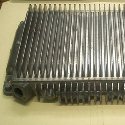 Die Casting Aluminum Heat-Sinks
Die Casting Aluminum Alloys
Casting Aluminum Alloys
Permalink: https://www.kineticdiecasting.com/kdc/optimizing-thermal-management/
#Heat-Sinks, #HeatSinks, #Kineticdc, #Diecasting, #DiecastingParts, #DiecastHeatsink, #DiecastHeat-Sink, #KineticDieCastingCompany, #DieCastingCompany, #Diecast, #Manufacturing, #California
Die Casting Crafting Excellence
Die Casting’s Role in hardware manufacturing, where precision, durability, and reliability are paramount, die casting emerges as a game-changer, offering unmatched versatility, efficiency, and quality. From door handles and hinges to cabinet knobs and tool components, die casting plays a pivotal role in crafting hardware parts that meet the exacting standards of the industry. Let’s delve into the significance of die casting in hardware manufacturing and explore how it drives innovation and excellence in this dynamic sector. Hardware parts serve as the backbone of countless products and systems, providing essential functionality and structural support. Die casting enables the production of hardware parts with intricate geometries, tight tolerances, and complex features, ensuring optimal performance and reliability. Whether it’s ensuring smooth operation in door mechanisms, precise alignment in cabinet hardware, or robust functionality in tool components, die casting delivers the precision engineering required for functional hardware parts.
Die Casting Hardware parts are subjected to constant wear and tear, requiring superior strength and durability to withstand the rigors of daily use. Die casting, utilizing materials such as zinc and aluminum alloys, produces hardware parts with exceptional mechanical properties, including high tensile strength, impact resistance, and corrosion resistance. From outdoor fixtures enduring harsh weather conditions to heavy-duty tools and equipment with demanding usage requirements, die-cast hardware parts offer longevity and reliability, ensuring years of dependable performance.
In addition to functional performance, aesthetics play a significant role in hardware design, enhancing the overall appeal and visual impact of products and spaces. Die casting offers unparalleled design flexibility, allowing for the creation of hardware parts with intricate details, decorative finishes, and customizable features. Whether it’s ornate door handles, sleek cabinet pulls, or stylish furniture hardware, die-cast parts can be tailored to complement any design aesthetic, adding a touch of sophistication and elegance to the finished product. Efficiency is a cornerstone of successful manufacturing, and die casting excels in delivering high-quality hardware parts with optimal efficiency and cost-effectiveness. The die casting process enables rapid production cycles, with the ability to produce large volumes of parts in a relatively short time-frame. Additionally, die casting minimizes material waste and secondary processing requirements, resulting in cost savings and streamlined production workflows. Whether it’s mass production of standardized components or custom fabrication of unique hardware solutions, die casting offers a competitive edge in terms of efficiency and economics.
Die Casting Quality is non-negotiable in hardware manufacturing, where product failure can have significant consequences in terms of safety, performance, and reputation. Die casting companies prioritize quality assurance at every stage of the manufacturing process, from material selection and tooling design to production control and post-casting inspection. Utilizing advanced quality control measures, such as dimensional analysis, metallurgical testing, and visual inspection, die casting ensures that every hardware part meets the highest standards of quality and reliability, instilling confidence in customers and end-users alike.
“The Parts We Make Today, We Ship Today”
Kinetic Die Casting Company. Inc.
6918 Beck Avenue, North Hollywood,
California 91605, United States of America
E-mail sales@kineticdc.com
USA Toll Free: (800) 524-8083 Local: (818) 982-9200
To get prices for Die Casting Hardware Parts:
Quote Prices Die Casting Hardware Parts
Kinetic Die Casting Company makes:
 Die Casting Handle Hardware
Die Casting Alloys
Die Casting Aluminum Alloys
Permalink: https://www.kineticdiecasting.com/kdc/die-casting-crafting-excellence/
#Hardware, #Brackets, #Handles, #Kineticdc, #Diecasting, #DiecastingParts, #DiecastHardware, #KineticDieCastingCompany, #DieCastingCompany, #Diecast, #Manufacturing, #California